
Eichler Home Room Additions in San Carlos, CA
Your one‑stop shop for San Carlos additions – permits, financing, design and build. From concept to completion, our team handles every step so you don’t have to.
We stay on schedule so your new living space is finished quickly.

IN HOUSE Designer! We customize your project A-Z.

FREE Project CONSULTATION! Don't hesistate to call us.


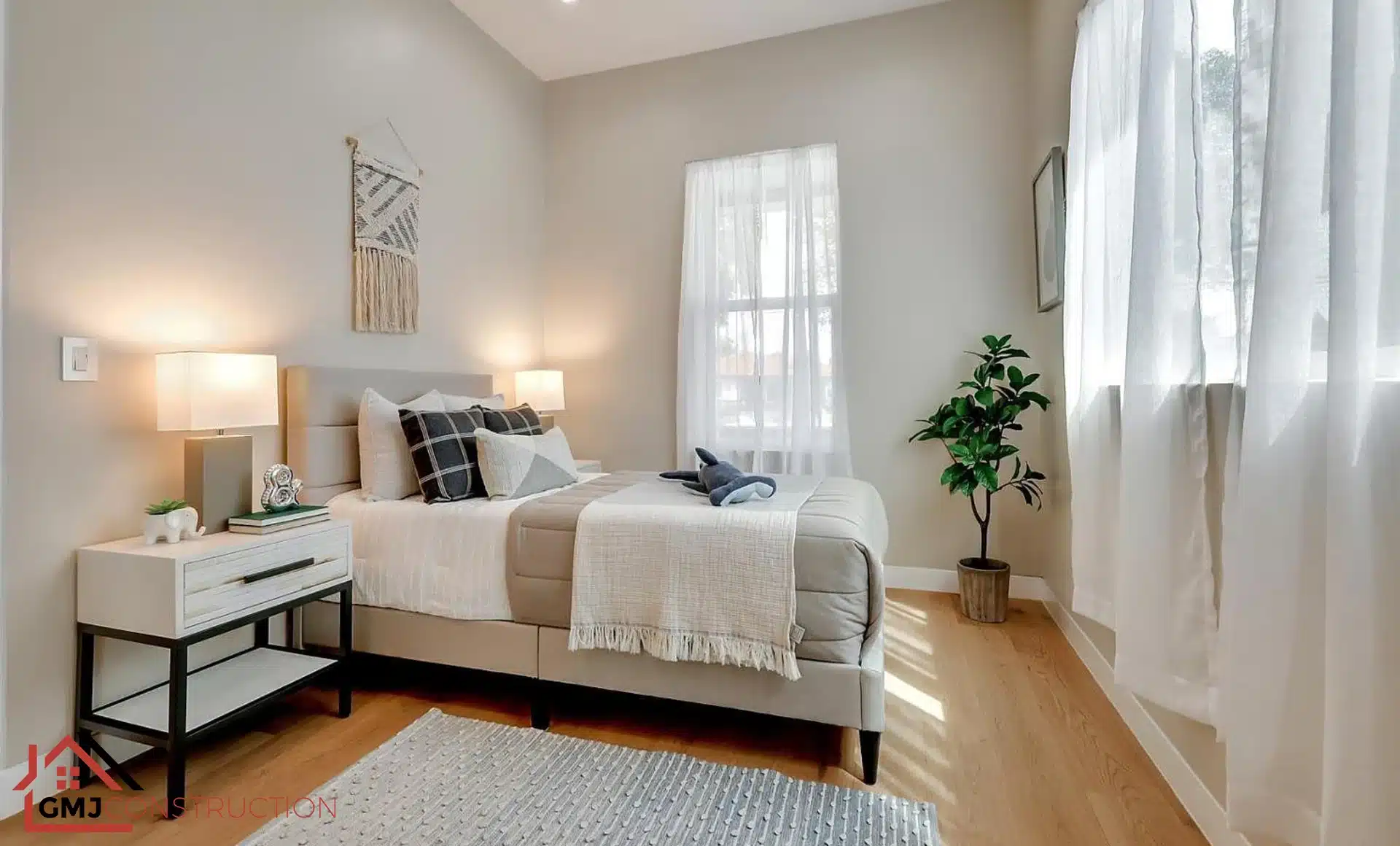

Why Eichler Homes Deserve Specialized Care
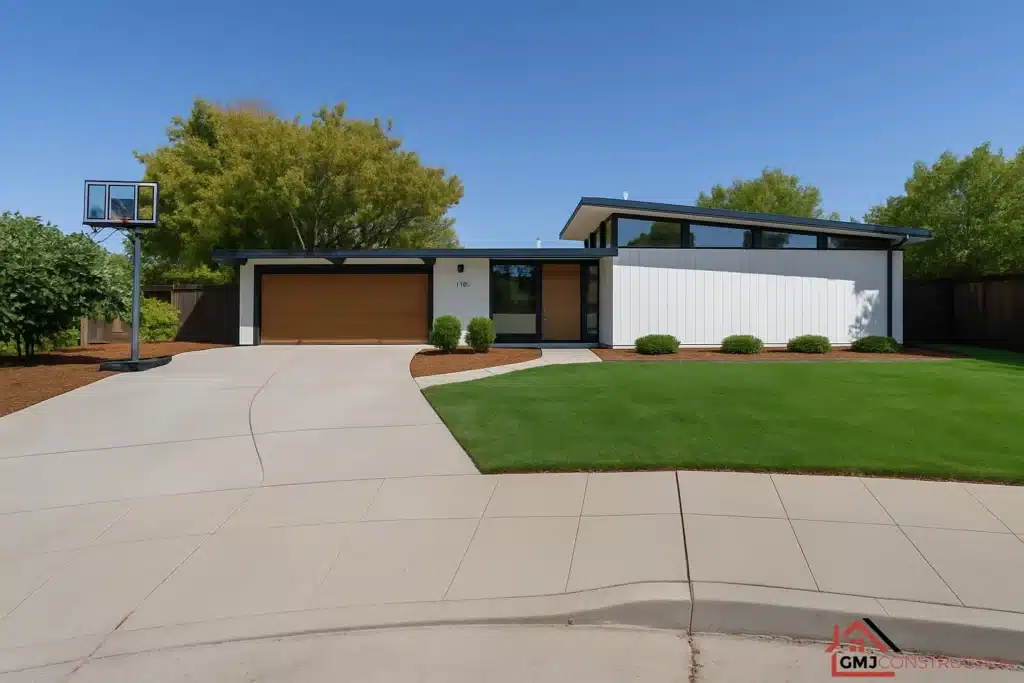
Eichler houses are design landmarks; their exposed beams, radiant floors and post‑and‑beam structure require deep respect for the original vision. Our Eichler remodeling experts understand the details that matter and bring them back to life with precision, blending new spaces seamlessly with the existing home.
Built for Icons
San Carlos’s Top Choice for Eichler Remodeling and Construction
At GMJ Construction, being the No.1 Eichler San Carlos construction company with over 15 years of experience, we offer an array of construction and remodeling solutions throughout the Bay Area. Specializing in the meticulous remodeling of Eichler Homes, we blend modern techniques with traditional craftsmanship to enhance these architectural gems. Our diverse services span both residential and commercial projects, guaranteeing high-quality outcomes tailored to each client’s vision.
Trust GMJ Construction Inc. for skilled, reliable, and top-tier construction expertise that transforms spaces into aesthetically pleasing and functional environments. Choose us for unparalleled commitment and exceptional results in every project.
The Eichler Standard
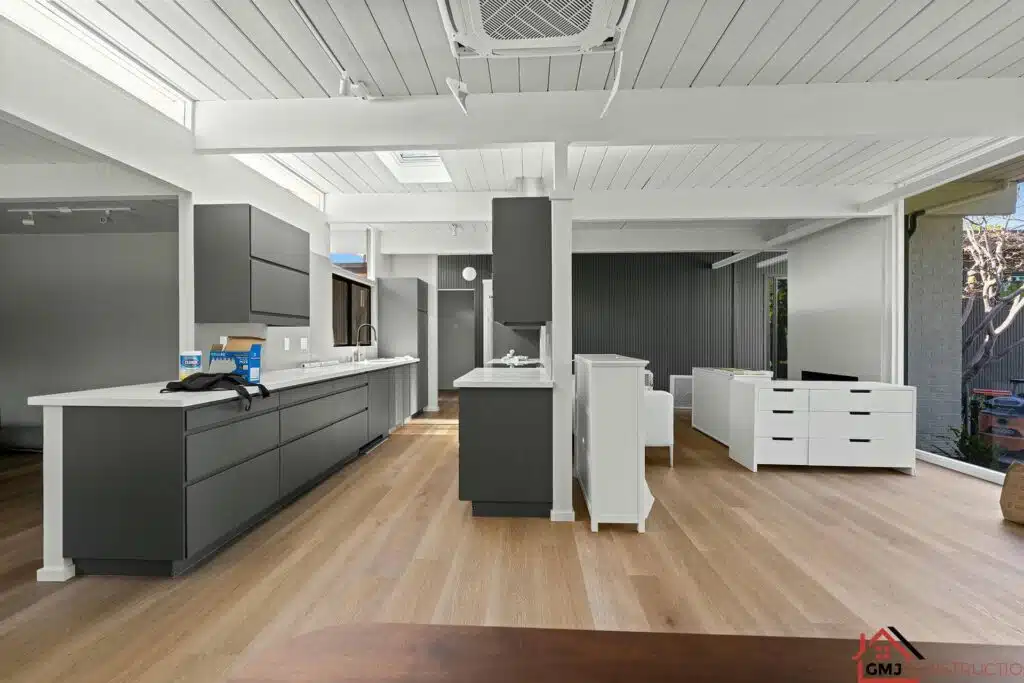
Eichler Home Remodeling & Additions in San Carlos work best when the end result feels calm, open, and intentional, not over-designed or chopped into small rooms. The architectural identity is the value, so the plan should protect the defining elements while modernizing what actually causes day-to-day friction: outdated kitchens, tired bathrooms, weak lighting, temperature swings, aging roofs, and underperforming insulation strategies.
A specialized Eichler approach also means treating the remodel like one connected system. If you upgrade finishes without addressing moisture risk, roof drainage, or underlying infrastructure, you can end up paying twice. The phased planning model emphasized in the internal budget guidance is straightforward: protect the structure and envelope first, then move into interiors and finishes once the home is dry, stable, and safe.
If you want a single hub that ties the scope together, start with Eichler homes remodeling services. It frames the goal as modernization without sacrificing the signature character and outlines core service categories that typically make up a complete Eichler renovation.
What makes Eichler remodels different
Eichlers are not “standard construction with a mid-century look.” Many of the features owners love are structural realities that affect how you plan upgrades: post-and-beam construction that supports open layouts, flat or low-slope roof conditions that demand careful waterproofing strategy, and expansive glass that drives natural light but also affects comfort and energy performance.
That is why “generic remodel logic” can backfire in an Eichler. A few common examples:
- Flat roofs often struggle with drainage, standing water risk, and hidden leaks, so roof work should be treated as a long-term system decision, not just a patch.
- Heating and cooling upgrades can be constrained by low roof space for ductwork and the heat gain and heat loss driven by large glass expanses, so HVAC decisions need to respect both comfort and the visual language of the home.
- Material choices that look “high end” in other styles can feel out of place in a mid-century minimalist context, and the internal guidance specifically warns against mismatched finishes that fight the home’s original intent.
If you want a practical “what to do and what to avoid” reference before making design commitments, the dos and don’ts of Eichler home remodeling is a helpful orientation point, especially for framing the hidden challenges that can surprise owners mid-project.
Space planning and project types
The best remodel scope is the one that solves real household needs without breaking what already works. For Eichlers, that typically means prioritizing openness, light, and flow, then selecting upgrades that improve comfort and function without cluttering the architecture.
Additions that blend in
A strong Eichler addition should look inevitable, like it was always part of the plan. The internal room addition guidance puts it plainly: the build is meant to give the impression that the new room has always been there, with a design that respects the existing style and a process that keeps the homeowner involved.
In practice, “blending in” usually comes down to a few disciplined moves:
- Continue the architectural rhythm instead of interrupting it (rooflines, beam patterns, and glazing proportions).
- Avoid partition-heavy layouts that fight the open plan experience.
- Plan additions alongside envelope and energy decisions so the new area performs at a modern comfort level while staying visually quiet.
If your goal is to explore addition design priorities in more detail, building Eichler home addition design tips is a useful deeper-read that frames the addition as both a design problem and a permitting and documentation process.
When you are ready to talk execution, the most direct service path is room addition paired with planning and design, since the addition’s success usually depends on the quality of early decisions and how well drawings match real-world constraints, budgets, and timelines.
Popular project types for Eichler remodels and additions
Most homeowners cluster into a few common project categories. The best outcomes usually come from choosing the category that fixes your real constraint, then scoping it to protect the architecture rather than forcing the home into a different style.
Kitchen remodeling
Kitchens often drive the “dated” feeling in an Eichler, especially if storage is limited or circulation is awkward. The internal kitchen service page frames the kitchen as the gathering center, not just cabinets and countertops, which aligns with how Eichler layouts typically function: the kitchen is part of the open plan, so the solution should support flow and sightlines. kitchen remodeling
Bathroom remodeling
Bathrooms are usually where comfort, aging-in-place decisions, and functional storage show up fast. The internal bathroom service positioning focuses on turning outdated spaces into higher-comfort renovations based on homeowner needs rather than a one-size template. bathroom remodeling
Additions for primary suite, family space, or flexible rooms
If the problem is space, an addition can be the cleanest fix, but only if the new footprint respects the home’s visual logic. The internal room addition page emphasizes the need for an experienced builder, unique design aligned to the home’s style, and a collaboration model that keeps owners informed. room addition
ADUs and conversions
If your goal includes guest space, extended family living, or a separate unit, the ADU path is typically a zoning and permit-heavy process. The internal ADU guidance explicitly states that plans should be drawn according to local zoning codes and that necessary permits are handled prior to build or conversion. adu
Comfort and efficiency upgrades (insulation, roof strategy, HVAC planning)
Many Eichlers were not built to modern energy expectations, but upgrades can be done without compromising the visual calm. The internal energy guidance points to methods like roof insulation approaches that maintain clean interior ceiling lines, plus wall insulation options designed to improve performance without disruptive remodeling. energy efficient upgrades
Roof and water management
Flat roof maintenance is a recurring owner pain point because drainage and hidden leak conditions can cause damage before you see it. The internal flat-roof guide lists drainage problems, frequent leaks, and insulation concerns as typical issues, making roof planning a high priority when scoping a larger remodel. flat roof challenges
If you want a single place to explore how these categories map to a unified Eichler strategy, Eichler homes remodeling services provides the clearest menu view of core Eichler remodeling services in one place.
Process, timeline, and permits
A homeowner-friendly plan is one where sequence and decision timing are clear. The internal planning and design positioning highlights aligning goals with real-world constraints, budgets, and deadlines, which is exactly what prevents mid-project drift and expensive changes.
Process and timeline
While every property and scope is different, a solid Eichler remodel or addition typically runs through consistent phases:
Discovery and feasibility
You review what must stay, what can change, and what conditions may be hidden. Phased planning guidance warns that opening walls can reveal surprises, so early discovery is part of risk control.
Planning, design, and scope definition
This is where you lock major decisions, align the drawings to the intended scope, and define what is “must-do” versus “nice-to-have.” The internal phased budgeting approach lays out that separation clearly and recommends triggers that tie related work together, such as pairing roof changes with skylight details and drainage.
Permits and plan check
Timelines vary widely by jurisdiction and scope. For a nearby city example referenced in internal content, permit timelines are described as ranging from four to twelve weeks, but the specific timeframe for San Carlos is not stated on the provided internal resources and should be treated as unspecified until verified for your parcel and scope.
Procurement and scheduling
Once plans are aligned and approvals are underway, long-lead materials and trade scheduling become a major driver of the build calendar. Exact procurement lead times are unspecified in the provided internal resources, so your project schedule should be confirmed during planning.
Construction and quality control
Construction sequence varies by scope, but the internal guidance repeatedly reinforces sequencing: do not install finishes before confirming the underlying conditions that could damage them, such as moisture risks, slab conditions, or plumbing reliability.
Final inspections and closeout
The “end” is not just cosmetic. Closeout should confirm that the work matches the permit set and that final inspections are completed where applicable. Detailed closeout documentation requirements are unspecified in the provided internal resources.
Mermaid timeline suggestion (text-only, no code)
If you want a simple diagram for WordPress using Mermaid, use these phase labels in sequence: Discovery and feasibility, Planning and design, Permits and plan check, Procurement and scheduling, Construction, Final inspections and closeout. Add optional parallel tracks where relevant, such as “Material selections” running alongside “Permits and plan check,” since those items often overlap in real projects.
Permits and planning for San Carlos
Permitting is where many remodels slow down, mostly because the scope in the homeowner’s mind does not match what the city sees in the plans. The internal permit guidance recommends a practical baseline: assume permits are needed when work touches electrical, mechanical, plumbing, or structural changes, and treat built-ins and similar work as “systems” when they include items like lighting or outlets so the drawings match the real scope.
For San Carlos specifically, the exact city requirements, submittal checklists, and review timeframes are not provided in the supplied internal URLs, so those details are unspecified here. What can be stated confidently from the internal guidance is how to prepare for a smoother permitting experience in a Bay Area context:
- Drawings should reflect the true scope, including electrical and ventilation decisions, not just the finishes you want to see.
- If you are expanding conditioned spce or making major envelope changes, energy and structural documentation commonly become part of the process, and the internal content repeatedly treats those items as standard planning realities rather than surprises.
- A phased plan can reduce permitting friction because it forces you to define what is essential now versus what can wait, so the first permit set is focused and defensible.
If you want the internal “rules of the road” overview for Bay Area permit considerations in this niche, permits, inspections, and historic guidelines is the most directly relevant reference in the provided list.
Work examples and portfolio highlights
When evaluating a contractor for an Eichler remodel or addition, seeing completed work matters because it shows how the team handles the details that keep the house feeling like itself: restraint in finishes, respect for post-and-beam rhythm, and upgrades that do not clutter the original intent. The internal portfolio hub describes partnering with architects and designers on mid-century and modern homes and presents multiple Eichler project examples.
For a broader scan, start with projects and then narrow into the Eichler-specific archive at Eichler home renovation.
We Know Eichlers. Inside and Out.
Chosen by Eichler Homeowners
We’ve earned our reputation by doing what others won’t—respecting the architecture, mastering the details, and delivering flawless results. If you own an Eichler, you need a team that understands what makes it special. That’s us.


Eichler Home Projects We Specialize In
See Our Projects
From restoring mid-century icons to modernizing Eichler spaces in San Carlos with care, our portfolio highlights the precision and creativity that define GMJ Construction.
Built to Impress. Proven in Every Project.










Frequently Asked Questions
Our team specializes in Eichler additions and renovations, blending modern functionality with the original design while respecting the home’s architectural integrity.
Your Questions, Answered.
Can you add a second story to my home as part of the addition?
Yes, we can add a second story to your home, ensuring it matches the existing structure seamlessly.
Can you match the design of the addition to the existing home?
Yes, we ensure seamless integration with your existing home’s style.
What types of rooms can you add to a home (e.g., bedrooms, offices)?
We can add bedrooms, home offices, sunrooms, or any custom space you need.
Do you handle the permitting process for room additions?
Yes, we manage all permitting and inspections for your addition.
How long does it take to complete a room addition project?
Most room additions take 3-6 months, depending on the size and complexity.
Can you provide cost estimates for different types of additions?
Yes, we offer detailed estimates based on your preferences and requirements.
Contact us
Looking to start your project? Just fill out the form and we will call you back. Or you can contact us via: [email protected]


